
A Complete Journey from Fabric Selection to Finished Garment
Introduction: Comfort at the Core of Sleepwear
Sleepwear is all about comfort, softness, and skin safety. While it may appear simple, manufacturing high-quality sleepwear requires careful fabric selection, precise construction, and strict quality control. From breathable fabrics to relaxed fits, every detail matters.
Modern sleepwear manufacturing units combine comfort-focused design, skilled workmanship, advanced machinery, and streamlined processes to create garments that ensure restful sleep and long-lasting wear. This blog takes you inside a modern sleepwear manufacturing unit and explains each stage—from fabric selection to finished garment.
Understanding Modern Sleepwear Manufacturing
Sleepwear manufacturing focuses on producing garments that are soft, breathable, lightweight, and durable. Unlike outerwear, sleepwear must meet higher comfort and skin-safety standards.
Modern sleepwear manufacturers operate with:
-
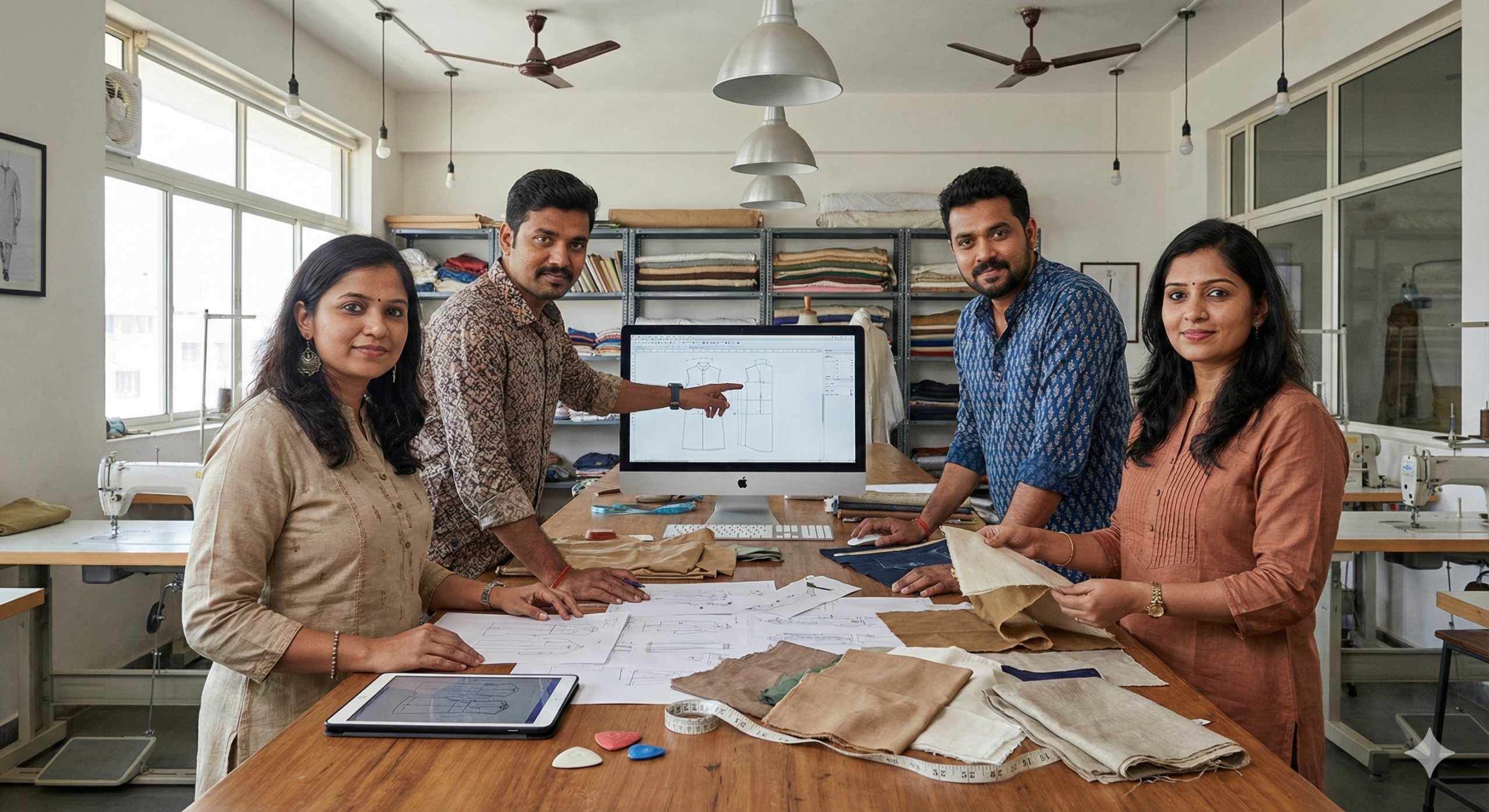
Specialized sleepwear design teams
-
CAD-based pattern development
-
Industrial stitching machines suitable for soft fabrics
-
Multi-stage quality inspection systems
The goal is to achieve consistent comfort, fit, and quality at scale.
Fabric Selection: The Heart of Sleepwear Comfort
Fabric is the most critical component in sleepwear manufacturing. The right fabric ensures breathability, softness, and durability.
Common fabrics used in sleepwear manufacturing include:
-
100% cotton and organic cotton
-
Cotton jersey and interlock
-
Modal and bamboo blends
-
Rayon and viscose blends
-
Lightweight woven fabrics
All fabrics are tested for softness, shrinkage, color fastness, and skin comfort before approval. Fabric sourcing specialists ensure materials meet quality and safety standards.
Design Planning & Product Development
Sleepwear design focuses on comfort-first silhouettes with functional styling. Designers consider:
-
Relaxed fit and movement
-
Seasonality (summer, winter, all-season)
-
Fabric behavior after washing
-
Buyer and market requirements
Designs include night suits, pajama sets, night dresses, lounge sets, and sleep shirts, developed using sketches, digital designs, and technical packs.
Pattern Making: Fit for Relaxation
Pattern making plays a crucial role in sleepwear manufacturing, as comfort depends heavily on accurate sizing and ease allowances.
Pattern masters ensure:
-
Relaxed and comfortable fit
-
Proper drape and garment balance
-
Size consistency across ranges
CAD systems are used to grade patterns efficiently for bulk production.
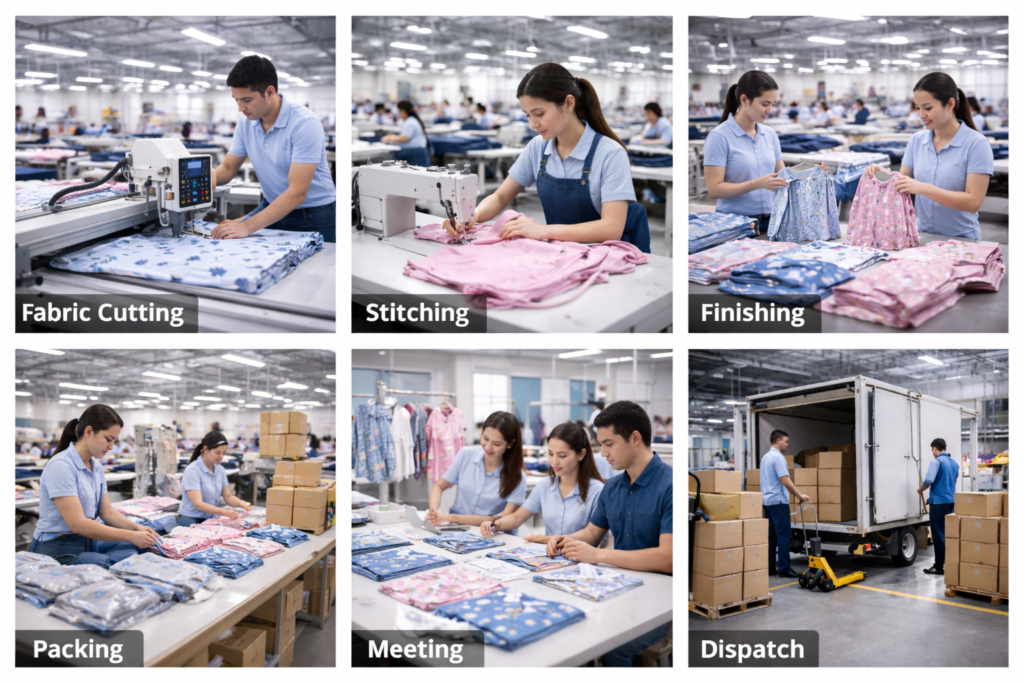
Fabric Cutting: Precision with Soft Materials
Once patterns are finalized, fabric cutting begins. Sleepwear fabrics are often soft and stretchable, requiring careful handling.
Key objectives include:
-
Accurate cutting
-
Minimal fabric distortion
-
Reduced wastage
Advanced cutting machines ensure uniformity across all garment components.
Stitching & Assembly: Soft and Skin-Friendly Construction
Stitching is done using industrial machines configured for soft fabrics. Special care is taken to ensure seams are smooth and comfortable against the skin.
Special focus areas include:
-
Seam softness
-
Elastic waistbands
-
Button plackets and hems
Production and stitching supervisors closely monitor quality and efficiency.
Sample Checking & Comfort Testing
Before bulk production, sleepwear samples are evaluated for:
-
Fit and comfort
-
Fabric feel after washing
-
Stitch durability
Any required changes are implemented before mass production.
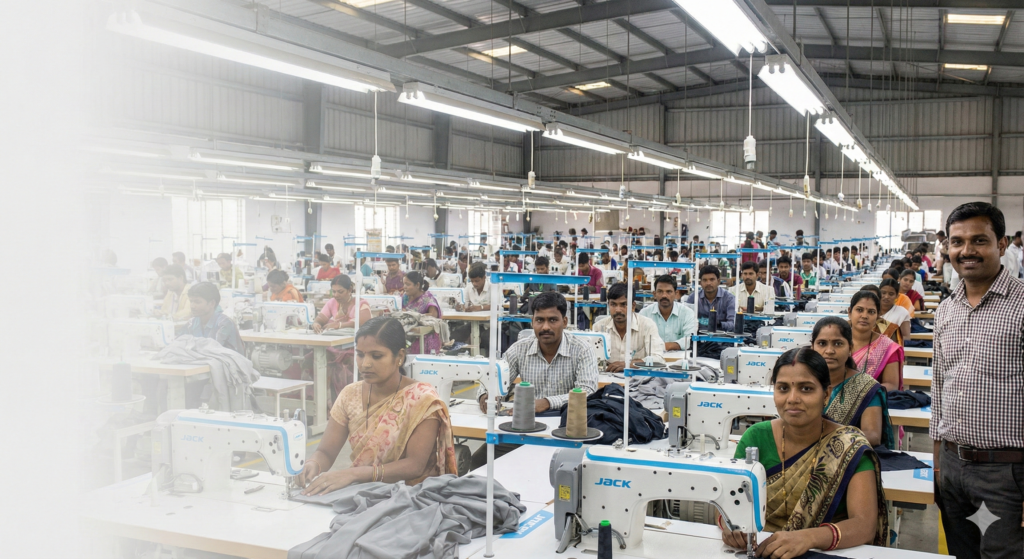
Mass Production: Consistency at Scale
Mass production in sleepwear manufacturing requires strict process control to maintain consistent softness and fit across large quantities.
This stage involves:
-
Line balancing
-
Skilled workforce coordination
-
Continuous quality monitoring
A well-managed sleepwear manufacturing unit ensures uniform quality in every piece.
Quality Control & Finishing
Quality control is carried out at multiple stages. Inspectors check:
-
Stitch quality
-
Fabric softness
-
Measurements and sizing
-
Overall appearance
Garments then undergo washing, pressing, and finishing to achieve a clean, ready-for-retail look.
Final Product Presentation
Finished sleepwear garments are reviewed and prepared for retail or export. Branding elements such as:
-
Labels and tags
-
Size and care instructions
are added during this stage.
Packing, Logistics & Dispatch
Garments are folded, packed, and labeled according to buyer specifications. The logistics team manages:
-
Inventory control
-
Order consolidation
-
Domestic and international dispatch
Efficient dispatch ensures on-time delivery and buyer satisfaction.
Technology in Sleepwear Manufacturing
Modern sleepwear manufacturing units use:
-
CAD systems for pattern accuracy
-
Digital production planning
-
Automated cutting and stitching machines
Technology improves consistency, reduces errors, and increases production efficiency.
Sustainability in Sleepwear Manufacturing
Sustainability is increasingly important in sleepwear production. Responsible manufacturers focus on:
-
Eco-friendly fabrics
-
Reduced fabric waste
-
Ethical labor practices
-
Energy-efficient operations
Sustainable practices enhance brand trust and long-term value.
Why Choosing the Right Sleepwear Manufacturer Matters
The right sleepwear manufacturing partner ensures:
-
Superior comfort and quality
-
Consistent sizing
-
Timely delivery
-
Scalable production capacity
A reliable manufacturer supports long-term brand growth and customer loyalty.
Conclusion: From Fabric to Finished Sleepwear
Sleepwear manufacturing is a comfort-driven process that requires precision, quality control, and thoughtful design. From fabric selection to final dispatch, every stage contributes to creating garments that deliver comfort, durability, and style.
By combining skilled teams, advanced technology, and structured processes, modern sleepwear manufacturers produce garments that brands can trust and customers can sleep in comfortably.