
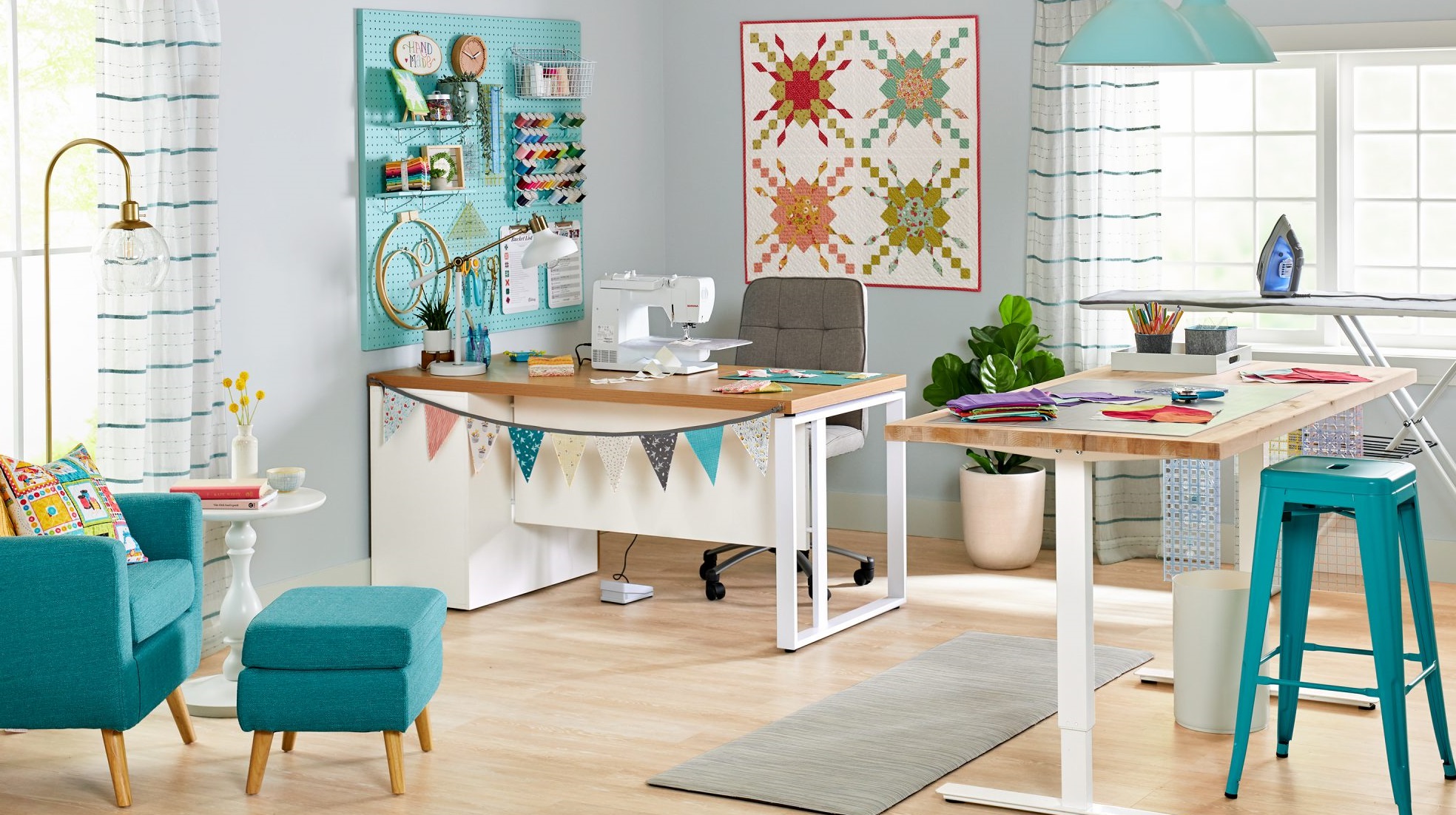
A Complete Journey from Fabric Selection to Finished Home Products
Introduction: The Foundation of Comfortable Living
Home concepts products—such as bedsheets, curtains, cushion covers, table linens, and upholstery—play a vital role in shaping the comfort, functionality, and aesthetic of modern homes. While theseproducts appear simple, their manufacturing involves a highly organized and detail-driven process.
Behind every soft bedsheet, perfectly stitched curtain, or durable cushion cover lies a combination of fabric expertise, precision engineering, skilled craftsmanship, and advanced machinery. This blog takes you inside a modern home concepts manufacturing unit and explains each stage of production—from fabric selection to final dispatch.
Understanding Modern Home Concepts Manufacturing
Home textile manufacturing has evolved far beyond traditional handloom or small-scale production. Today’s modern units are designed to serve large retail brands, hospitality chains, and export markets—while maintaining consistent quality.
A professional home concepts manufacturing unit operates with:
-
Specialized design & product development teams
-
Fabric testing and quality labs
-
Precision cutting and stitching systems
-
Structured finishing, inspection, and packing lines
The focus is on comfort, durability, visual appeal, and repeat consistency across bulk orders.
Fabric Selection: The Core of Home Textile Quality
Fabric selection is the most critical stage in home concepts manufacturing. The comfort, longevity, and appearance of home products depend directly on fabric quality.
Common fabrics used in home concepts include:
-
Cotton & cotton blends
-
Percale & sateen weaves
-
Linen & linen blends
-
Polyester & performance fabrics
-
Upholstery-grade structured textiles
Before production, fabrics are tested for:
-
Shrinkage and color fastness
-
Softness and hand feel
-
Strength and durability
-
Wash and wear performance
Only approved fabrics move into production, ensuring long-term customer satisfaction.
Design Planning & Home Product Development
Design planning transforms lifestyle trends into functional home products. Designers study:
-
Interior design trends
-
Customer usage patterns
-
Market price positioning
-
Fabric behavior and limitations
Product concepts are developed for:
-
Bedsheets and pillowcases
-
Curtains and drapes
-
Cushion covers
-
Table linens
-
Upholstery and soft furnishings
Each design balances aesthetics, functionality, and production feasibility.
Pattern Making & Measurement Planning
Pattern making ensures that home products fit standard bed sizes, window dimensions, and furniture requirements.
Pattern teams define:
-
Exact dimensions
-
Seam allowances
-
Pleat, panel, and border placements
CAD systems are commonly used to create precise patterns, ensuring accuracy and repeatability across bulk production.
Fabric Cutting: Accuracy and Efficiency
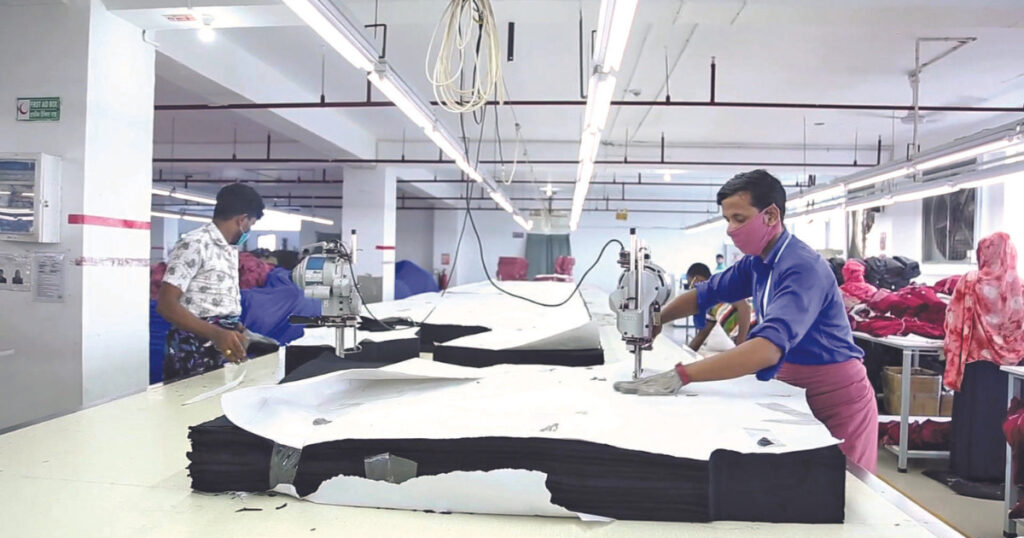
Once patterns are approved, fabric cutting begins. Modern factories use:
-
Long cutting tables
-
Straight knife or automated cutting machines
Key objectives during cutting:
-
Accurate sizing
-
Minimal fabric wastage
-
Clean and consistent edges
Proper cutting ensures smooth stitching and high-quality finishing in later stages.
Stitching & Assembly: Building the Product
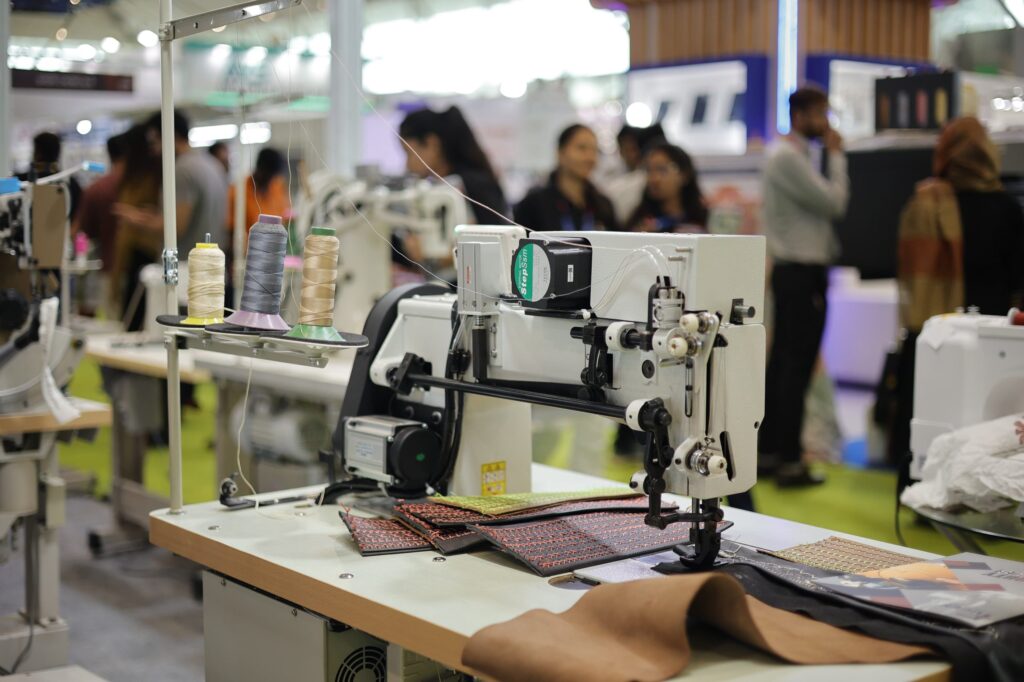
Stitching is where individual pieces become finished home products. Industrial stitching machines are used for:
-
Side seams and hems
-
Borders and piping
-
Zippers, ties, and fastenings
Supervisors monitor stitching quality, seam strength, and uniformity to ensure durability and neat appearance.
Sampling & Product Approval
Before bulk production, samples are created and reviewed for:
-
Size accuracy
-
Stitching quality
-
Fabric performance
-
Overall visual appeal
Any required improvements are made before mass production begins, reducing errors and rejections later.
Mass Production: Consistency at Scale
Mass production focuses on delivering large volumes with consistent quality. This requires:
-
Workflow planning
-
Machine coordination
-
Skilled operator management
Each unit follows standardized processes to ensure that every piece meets the same quality benchmarks.
Quality Control & Finishing
Quality control is conducted at multiple stages. Inspectors check:
-
Measurements
-
Stitching and seam strength
-
Fabric defects
-
Cleanliness and finishing
Products then undergo:
-
Washing (if required)
-
Pressing and ironing
-
Thread trimming and final finishing
Final Product Presentation
Finished products are reviewed and prepared for branding. This includes:
-
Labels and size tags
-
Branding inserts
-
Care instructions
Products are often displayed or reviewed internally before packing approval.
Packing, Logistics & Dispatch
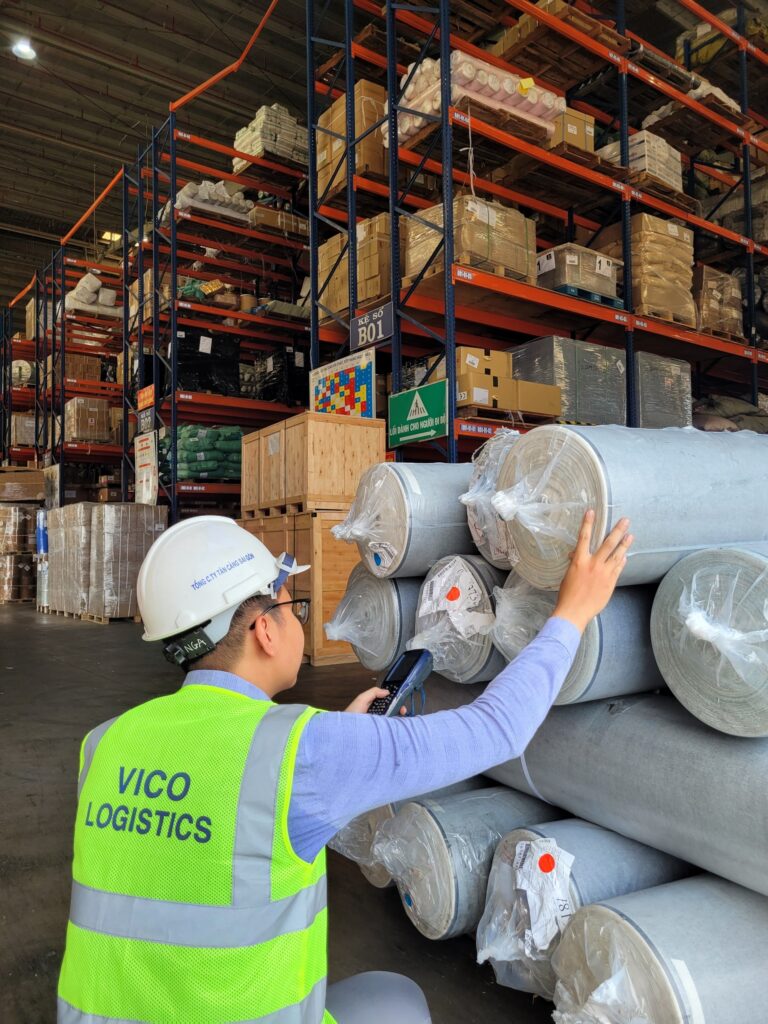
Packing is done based on retail or export requirements. The logistics team manages:
-
Folding and protective packing
-
Barcode and SKU labeling
-
Inventory management
-
Domestic and international dispatch
Timely delivery and error-free shipments are critical for brand trust.
Technology in Home Concepts Manufacturing
Modern factories rely on technology for efficiency and precision, including:
-
CAD systems for pattern making
-
Digital production planning
-
Automated cutting systems
Technology improves speed, reduces wastage, and ensures consistent quality.
Sustainability in Home Textile Manufacturing
Sustainability is increasingly important in home concepts manufacturing. Responsible units focus on:
-
Fabric waste reduction
-
Optimized cutting layouts
-
Ethical labor practices
-
Energy-efficient operations
Sustainable manufacturing supports long-term business growth and brand reputation.
Why Choosing the Right Home Concepts Manufacturer Matters
A reliable manufacturing partner ensures:
-
Consistent product quality
-
On-time delivery
-
Cost efficiency
-
Scalability for growing brands
The right manufacturer becomes a long-term partner in brand success.
Conclusion: From Fabric to Finished Home Products
Home concepts manufacturing is a structured journey involving fabric expertise, skilled craftsmanship, quality control, and logistics. From fabric selection to final dispatch, every stage contributes to creating products that enhance comfort and elevate living spaces.
By combining experienced teams, modern technology, and disciplined processes, professional home concepts manufacturers deliver products that brands can trust and customers can enjoy every day.
-